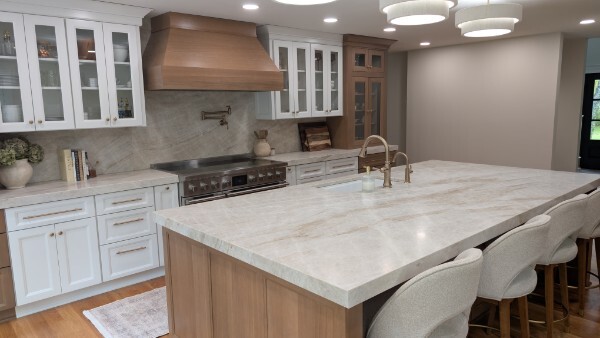
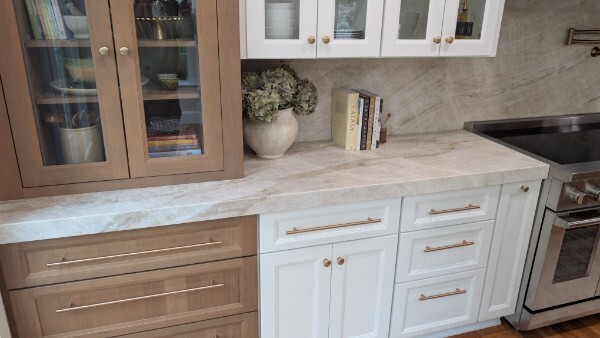
The Timeless Elegance of Taj Mahal Quartzite: The Ultimate Guide for Your Kitchen
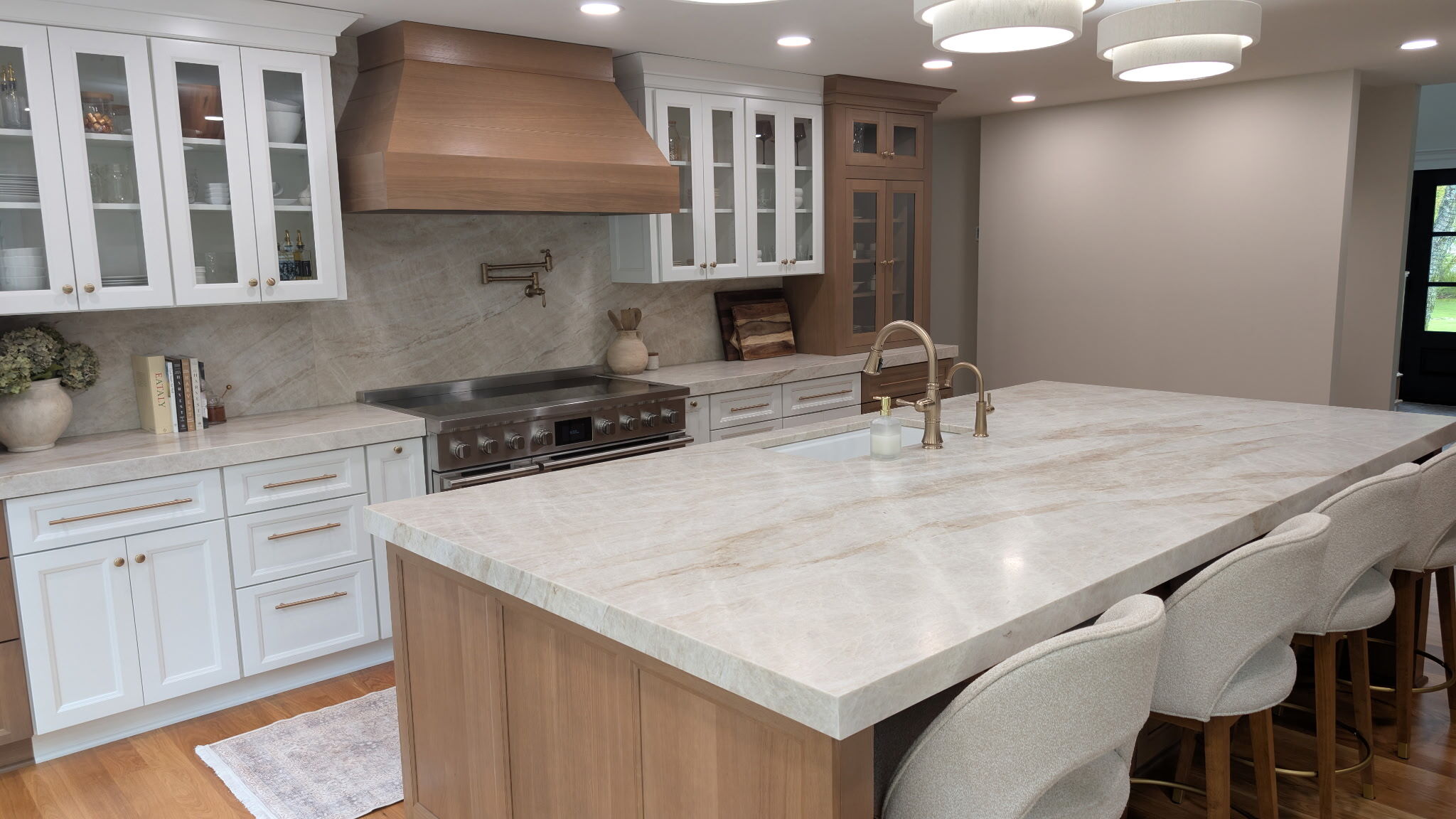
When it comes to luxury countertops, few materials command as much attention as Taj Mahal Quartzite. Often mistaken for marble due to its soft, creamy hues and elegant veining, Taj Mahal offers a sophisticated "quiet luxury" that has made it the most sought-after stone of 2026.
At Granite International, we’ve seen a high demand for this particular stone. Here is why Taj Mahal Quartzite is the crown jewel of modern kitchen design and what you need to know before bringing it into your home.
The Aesthetics of Taj Mahal Quartzite
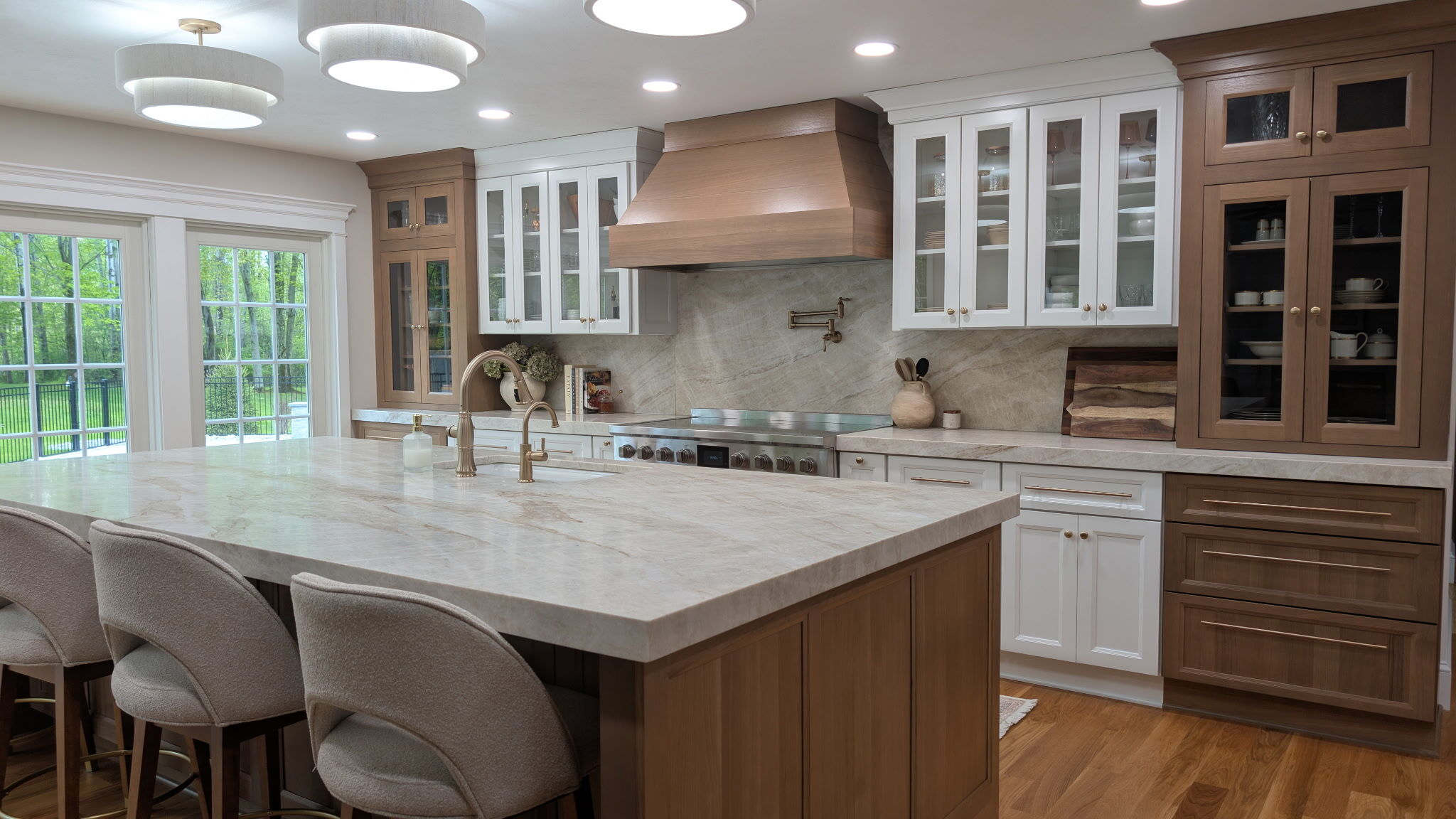
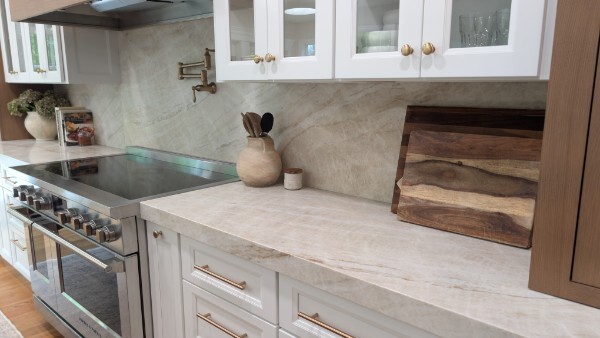
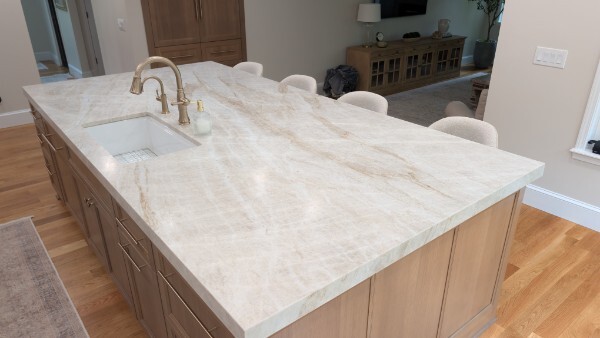
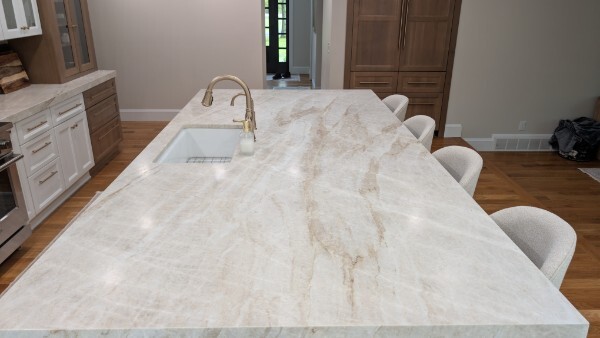
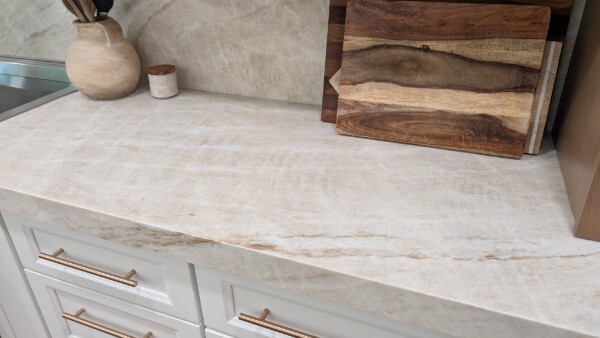
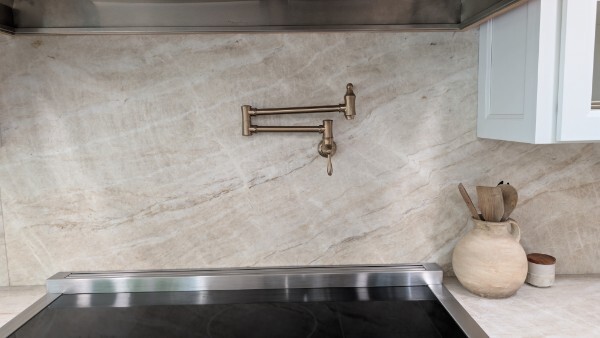
Taj Mahal is famous for its warm, off-white or beige background. Its veining is typically subtle, appearing in shades of gold, light grey, or tan. Unlike the cold greys of Carrara marble, Taj Mahal brings a sense of warmth and "organic modernism" to a space.
Why It’s Trending: Design Versatility
One of the reasons Taj Mahal is so popular is its ability to adapt to almost any design style:
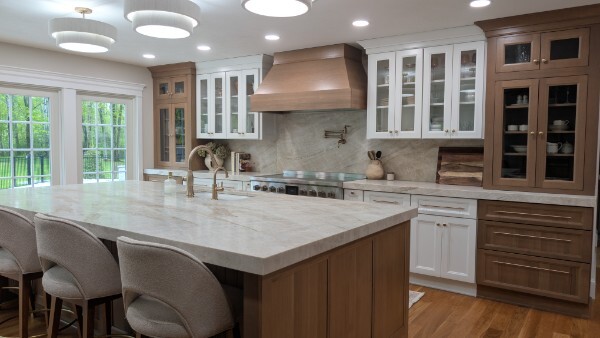
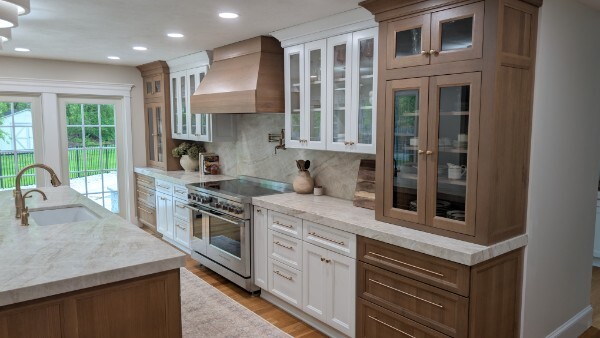
- Traditional: It pairs beautifully with wood-toned cabinetry, pulling out the warm gold streaks in the stone.
- Modern/Minimalist: Its "creams-on-white" palette creates a seamless, airy look when paired with flat-panel white or taupe cabinets.
Pro-Trend Tip: For 2026, we are seeing a huge demand for Leathered Taj Mahal. This matte, slightly textured finish hides fingerprints better than polished surfaces and feels incredibly tactile and natural.
Durability: Beauty Without the Stress
Homeowners often want the look of marble but fear the maintenance. This is where Taj Mahal Quartzite shines.
- Hardness: It is harder than granite and significantly harder than marble. It resists scratching from knives and heavy cookware.
- Heat Resistance: Quartzite is naturally heat-resistant, meaning it can handle hot pots and pans far better than engineered quartz or marble.
- Acid Resistance: Unlike marble, true quartzite will not "etch" (lose its shine or develop dull spots) when exposed to acidic liquids like lemon juice or vinegar.
Maintenance and Care
While Taj Mahal is incredibly tough, it is still a natural stone and requires a baseline of care to keep it looking pristine for decades.
- Sealing is Essential: Like all natural stones, quartzite is porous. At Granite International, we recommend a high-quality sealant upon installation. This creates a barrier against liquids that could cause staining.
- Daily Cleaning: Skip the harsh chemicals or abrasive cleaners. A simple mixture of warm water and mild dish soap—or a dedicated stone cleaner—is all you need.
- The "Water Test": To check whether your counters need resealing, drop a small amount of water on the surface. If it beads up, your seal is strong. If it soaks into the stone after a few minutes, it’s time for a fresh coat of sealer.
Investing in Quality
Taj Mahal Quartzite is considered a premium material. While the initial investment may be higher than entry-level granite or basic quartz, its longevity and timeless appeal add significant resale value to your home. It isn't just a countertop; it’s a permanent piece of art.
Ready to Transform Your Space?
At Granite International, we source the finest slabs of Taj Mahal Quartzite, ensuring each cut highlights the stone's unique, natural beauty. Visit our showroom today to run your hands across a slab and see the "Taj Mahal glow" for yourself.